ProActive Pest Relief logoProActive Pest Relief
Fast, upfront pest control sevice in Sacramento, CA, free quote in minutes

Pest Control Service Sacramento

When seeking an effective pest control service in Sacramento, property owners require structured eradication methods that protect domestic living spaces without saturating indoor air with broad-spectrum synthetics. The regional convergence of the Sacramento River and American River creates sustained moisture corridors that accelerate subterranean termite colonies, outdoor cockroach breeding, and seasonal rodent migrations into residential attics.
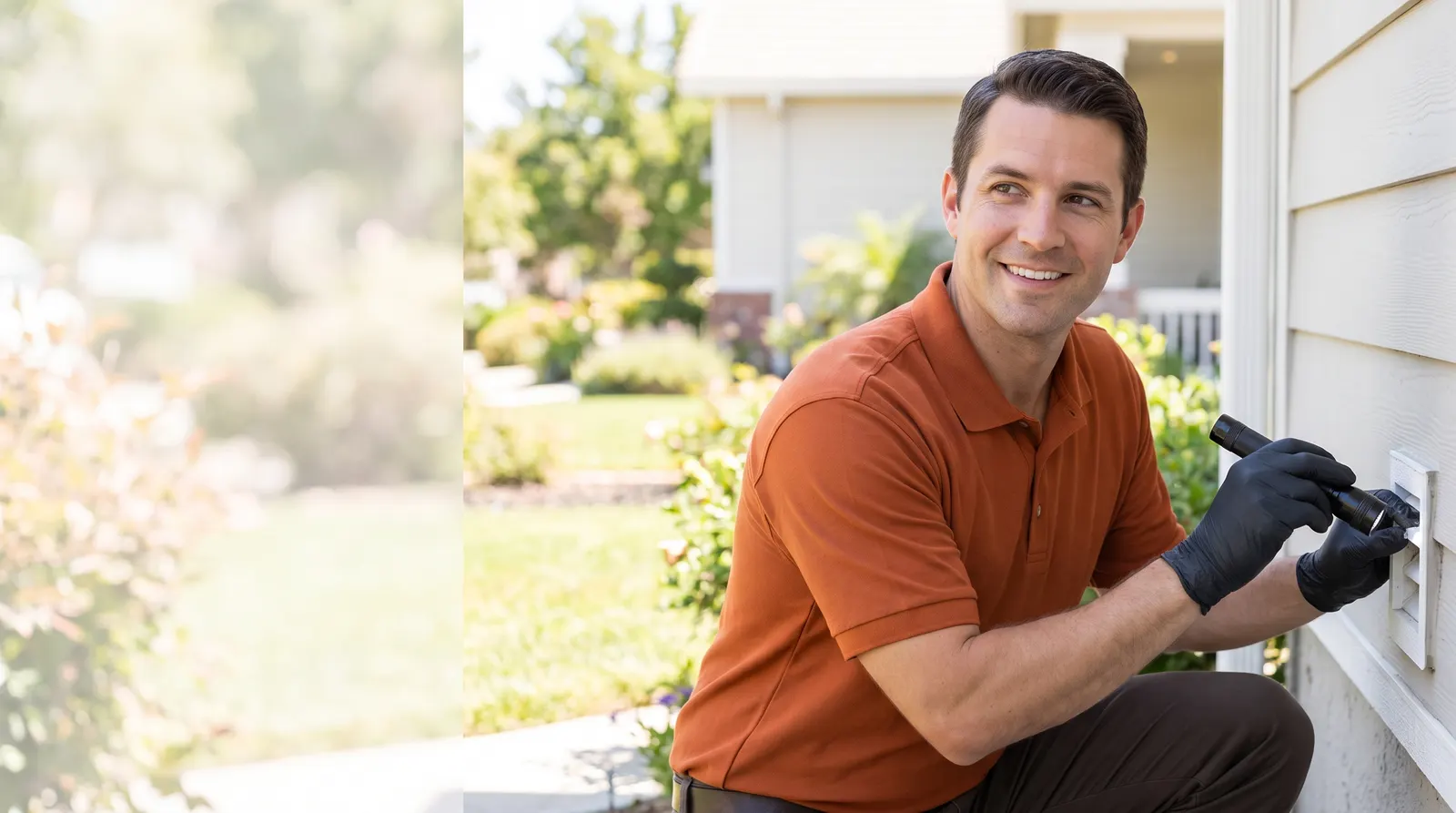
Get your free pest control sevice quote, Sacramento

We only use your ZIP to check availability, no spam.

Subterranean Termite TreatmentDrywood Termite Spot TreatmentRodent Exclusion and Abatement
Pest Control Sevice in Sacramento, CA
Pest Control Sevicein Sacramento, CA

What is Pest Control Sevice in Sacramento, CA?

A professional pest control service in Sacramento is a specialized management intervention that eliminates residential insect and rodent colonies using targeted perimeter treatments, biological monitors, and structural exclusion.

Why Sacramento homeowners choose ProActive Pest Relief

  • ✓Sacramento pest control service calls start at an on-site diagnostic baseline and initial targeted application fee of $250.
  • ✓Initial subterranean termite remediation across the Sacramento basin ranges between $450 and $1,800 based on linear foundation footage and soil characteristics.
  • ✓Spring termite swarms emerge after initial warm spells in late March, followed by intense summer surges of Turkestan cockroaches and Argentine ants.
  • ✓Integrated pest management prioritizes non-chemical physical exclusion, structural moisture elimination, and targeted bait gels over indiscriminate indoor chemical spraying.
Subterranean Termite Treatment
Drywood Termite Spot Treatment
Rodent Exclusion and Abatement
Our Expertise

Our team services in Sacramento

Every service reflects the same meticulous attention to detail, whether it's a single job or a larger pest control sevice project across Sacramento.
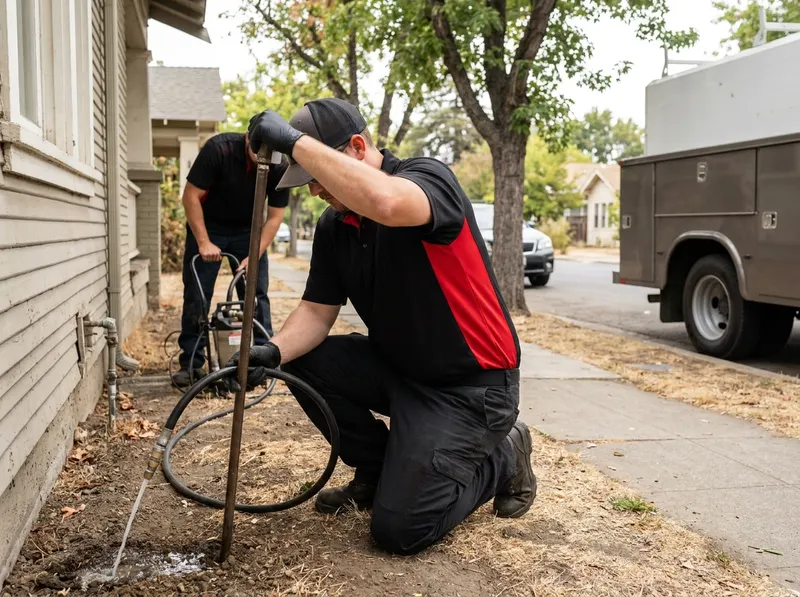
Subterranean Termite Treatment in Sacramento, CA

Subterranean Termite Treatment

Subterranean termites build distinctive mud shelter tubes along concrete footings to bridge the gap between soil moisture and architectural wood framing. Liquid termiticide barrier treatments applied into perimeter soil trenches, paired with targeted exterior baiting systems, eliminate subterranean colonies by disrupting their biological molting cycles. On-site structural inspections confirm soil moisture conditions, perimeter foundation clearances, and crawl space ventilation parameters before chemical installation. Technicians execute continuous liquid barriers by trenching four to six inches into the soil alongside exterior foundations, treating backfill with non-repellent compounds that worker termites unknowingly carry deep into central nesting chambers.

Get a quote →
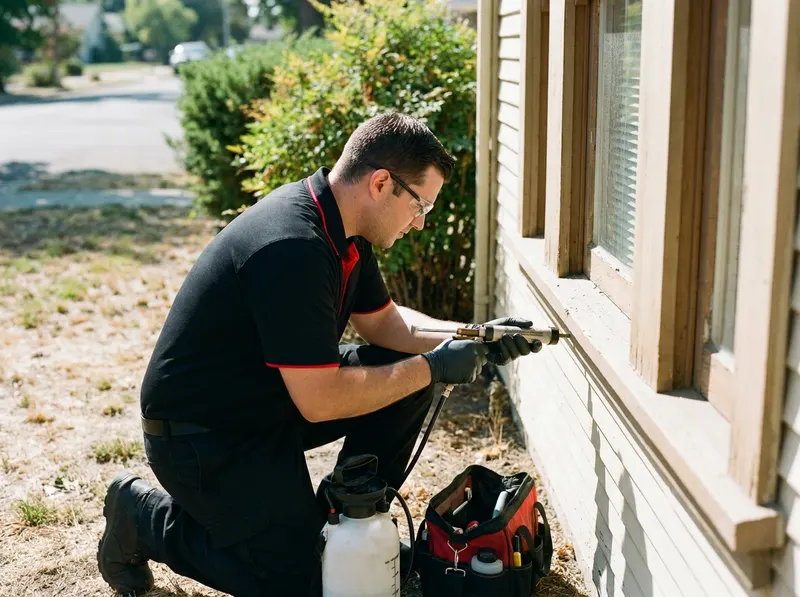
Drywood Termite Spot Treatment in Sacramento, CA

Drywood Termite Spot Treatment

Drywood termites establish colonies directly within dry architectural framing, attic purlins, and window casings without requiring ground contact. Technicians identify active galleries via fecal pellet accumulation (frass) and apply direct localized wood injections using concentrated borate formulations or precision micro-dosed non-repellent insecticides. This targeted approach isolates wood damage without requiring full structural fumigation or resident displacement. Specialized fiber-optic borescopes and acoustic listening sensors locate internal hollows within heavy timber beams, allowing targeted void penetration with minimal aesthetic impact on historic interior wood mouldings and window sills.

Get a quote →
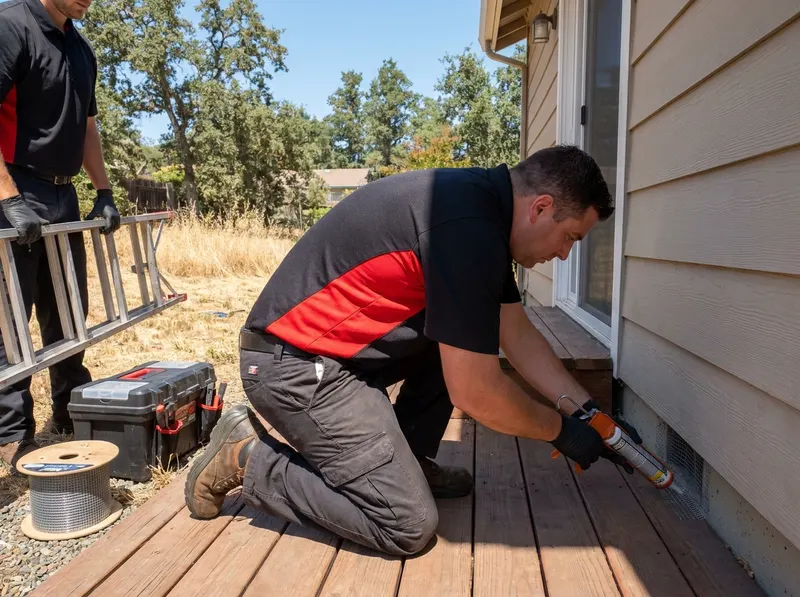
Rodent Exclusion and Abatement in Sacramento, CA

Rodent Exclusion and Abatement

Roof rats and house mice exploit openings as small as one-quarter inch along roof eaves, plumbing penetrations, and crawl space vent screens. Rodent management begins with mechanical exclusion using heavy-gauge wire mesh, steel wool, and commercial elastomeric sealants, followed by interior mechanical trapping. Contaminated attic insulation is assessed for localized sanitation to eliminate biological pheromone trails that attract future exterior colonies. Specialized chimney caps, garage door rubber sweeps, and foundation vent screening prevent climbing rodents from entering structural attic zones along mature urban tree canopies.

Get a quote →
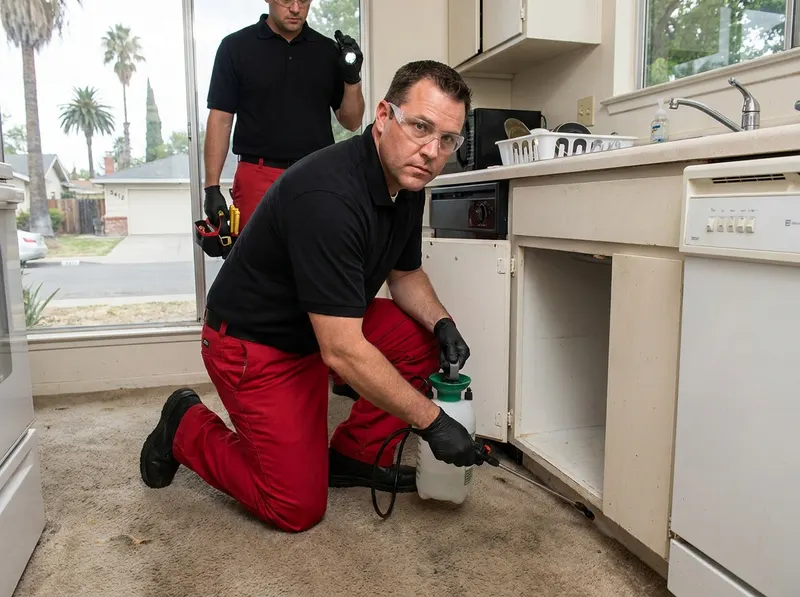
Cockroach Eradication Services in Sacramento, CA

Cockroach Eradication Services

Residential properties throughout older Sacramento neighborhoods face recurrent pressures from German indoor cockroaches and outdoor Turkestan cockroaches emerging from utility boxes and municipal sewer lines. Treatment integrates insect growth regulators (IGRs), targeted micro-bait applications in dark harborages, and mechanical perimeter barrier sprays that stop crawling insects from transitioning across exterior thresholds and weep holes. Precision gel baits placed beneath sink plumbing collars, cabinet hinge mortises, and motor housings target cockroach aggregation points without emitting airborne volatile organic chemicals into residential breathing spaces.

Get a quote →
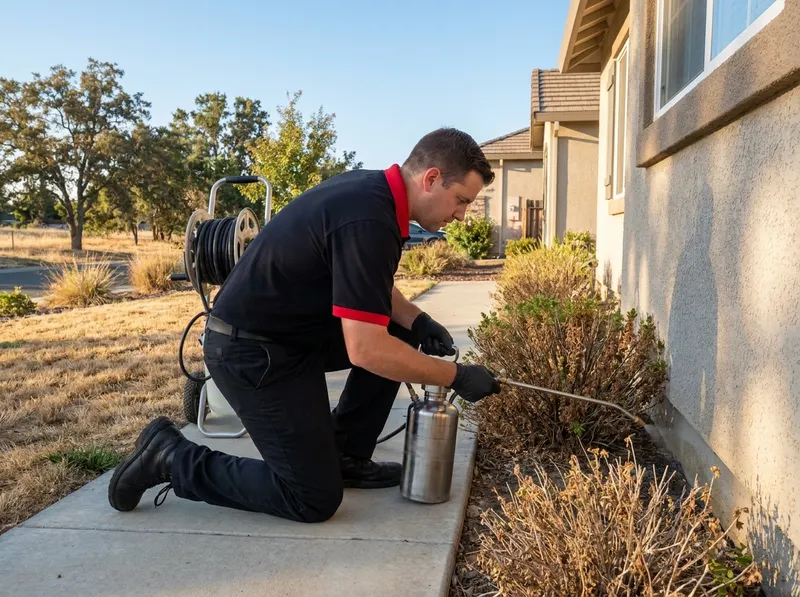
Argentine Ant Perimeter Defense in Sacramento, CA

Argentine Ant Perimeter Defense

Argentine ants form expansive supercolonies throughout river valley soils, invading domestic kitchens and bathrooms during sustained high summer heat or winter rain events. Non-repellent liquid perimeter sprays and slow-acting liquid carbohydrate baits allow foraging worker ants to transfer active ingredients deep into the subterranean queen chambers, preventing nest splitting and budding. Exterior perimeter bands applied three feet up the foundation wall and three feet out across adjacent landscape borders arrest trailing worker lines before foraging columns breach exterior stucco weep screeds and window weep holes.

Get a quote →
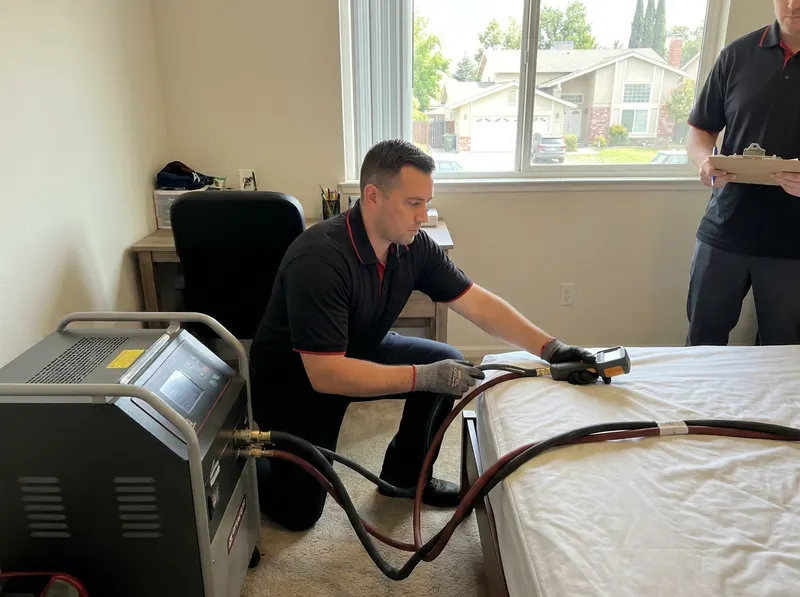
Bed Bug Heat and Precision Treatment in Sacramento, CA

Bed Bug Heat and Precision Treatment

Bed bug infestations disrupt living quarters through nocturnal biting activity along mattress seams, baseboards, and upholstered furnishings. Management protocols combine high-temperature thermal remediation to desiccate insects and egg clusters across structural voids with targeted crack-and-crevice spot applications of non-residual desiccant dusts along baseboard perimeters. Systematic room preparation guidelines, non-chemical vacuuming with HEPA filtration, and targeted fabric steamer passes ensure hidden nymphs and egg clusters in deep box spring folds and bedside electrical faceplates are thoroughly eradicated.

Get a quote →
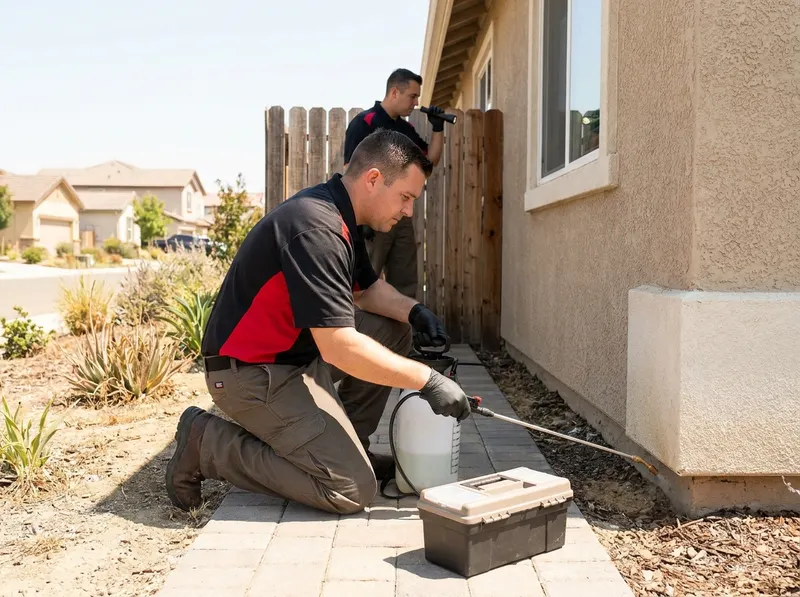
Crawling Insect and Spider Management in Sacramento, CA

Crawling Insect and Spider Management

Black widows, wolf spiders, and centipedes inhabit ground-level perimeters, perimeter landscape mulch, and subterranean crawl spaces. Treatment targets exterior foundation walls, eaves, and window frame perimeters to de-web architectural junctions, eliminate foundational harborage zones, and reduce the flying and crawling insect food sources that sustain predatory arachnids. Specialized long-reach micro-fiber poles sweep away sticky web matrices and protective egg sacs, while microencapsulated perimeter barriers create long-lasting surface protection across covered porch soffits and shaded masonry footings.

Get a quote →
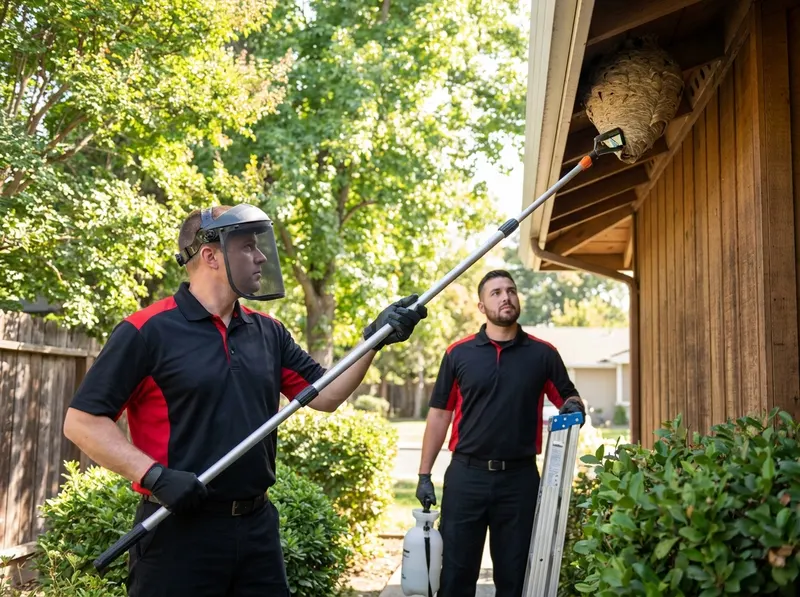
Stinging Insect Nest Removal in Sacramento, CA

Stinging Insect Nest Removal

Paper wasps and yellowjackets build protective aerial combs under residential roof eaves, fascia corners, and subterranean ground cavities. Technical removal neutralizes active defending adults using specialized directional aerosol agents before physically detaching the structural nest matrix, preventing secondary infestations of dermestid carpet beetles that feed on abandoned pupae. Detailed inspections evaluate attic vents, open roof decking gaps, and landscape retaining walls to detect concealed nests, concluding with the application of residual insecticidal dusts into entry crevices to discourage future queens from establishing territory.

Get a quote →
The essentials

What Sacramento customers should know

  • Sacramento pest control service calls start at an on-site diagnostic baseline and initial targeted application fee of $250.
  • Initial subterranean termite remediation across the Sacramento basin ranges between $450 and $1,800 based on linear foundation footage and soil characteristics.
  • Spring termite swarms emerge after initial warm spells in late March, followed by intense summer surges of Turkestan cockroaches and Argentine ants.
  • Integrated pest management prioritizes non-chemical physical exclusion, structural moisture elimination, and targeted bait gels over indiscriminate indoor chemical spraying.
  • Property owners can schedule comprehensive on-site evaluations or transmit damage photographs directly to (951) 208-7131 for preliminary technical review.
The ProActive Pest Relief standard

Why Sacramento keeps calling us back

01

A clear, written price

You get a firm, itemized quote for your pest control sevice before any work begins, no surprises, no pressure.

02

Your property, protected

Careful prep, tidy work, and a full cleanup when we are done. We treat your home and belongings like our own.

03

One crew, start to finish

The same trusted, background-checked team from the first call to the final check.

Buyer's guide

Choosing the right pest control sevice pro in Sacramento

Selecting appropriate residential pest intervention requires matching specific structural conditions to insect and vertebrate biology. If an infestation involves active subterranean termites consuming foundation sill plates or damp crawl space joists, localized soil termiticide barrier injection or targeted perimeter baiting stations represent the primary technical path. If the issue stems from drywood termites isolated to exposed attic rafters or decorative fascias, localized direct wood injection or surface borate treatments offer effective containment without vacating the home.

The trade-off between exterior soil barrier trenching and targeted bait stations centers on intervention speed versus physical disturbance: liquid termiticides establish an immediate chemical barrier along exterior footing trenches, whereas baiting systems require several weeks to achieve total colony elimination through chitin synthesis inhibitors but eliminate the need to drill through finished patio slabs or disrupt mature foundation landscaping. For mixed perimeter invaders such as Argentine ants, roof rats, and Turkestan cockroaches, choosing physical exclusion coupled with botanical or low-toxicity microencapsulated perimeter barriers prevents chemical runoff into local storm basins while maintaining indoor air quality. If an infestation is caught during early wood exploratory tunneling, local spot treatments preserve framing integrity at a lower price point than broad-scale structural interventions, though localized treatments demand ongoing biannual monitoring along crawl space perimeter mudsills.

When evaluating rodent management, property owners face a choice between lethal perimeter baiting programs and comprehensive mechanical exclusion. Perimeter baiting reduces rodent population density outside the structure quickly, yet carries secondary poisoning risks for local wildlife and domestic pets, while mechanical exclusion requires upfront structural carpentry to seal rooflines, crawl space vents, and utility junctions with galvanized hardware cloth, delivering permanent domestic defense without sustained toxin reliance. Similarly, managing persistent ant populations involves selecting between rapid-knockdown pyrethroid contact sprays and slow-acting, non-repellent borate or hydramethylnon baits; contact sprays deliver immediate visible relief on kitchen counters but invariably trigger defensive colony budding, whereas slow-acting baits allow foraging worker ants to transfer active ingredients across the entire colony network, neutralizing subterranean queens within seven to fourteen days.

Investment

Pest Control Sevice cost in Sacramento

Every project gets a firm, written price after a free on-site visit. Ranges below for orientation.

Comprehensive Interior and Exterior Pest Diagnostic Assessment$250, $325
Localized Termite Spot Treatment and Gallery Injection$350, $650
Subterranean Termite Soil Trench and Barrier Installation$850, $2,400
Mechanical Rodent Exclusion and Interior Trapping Setup$450, $1,250
Initial Cockroach Cleanout and Growth Regulator Protocol$300, $600
Seasonal Perimeter Defensive Barrier and De-Webbing Service$250, $400
Targeted Bed Bug Thermal and Desiccant Remediation (Per Room)$400, $800
Exterior Stinging Insect Nest Removal and Crevice Treatment$250, $450
Flea and Tick Interior Carpet and Upholstery Treatment$275, $500
Crawl Space Poly Vapor Barrier Installation and Soil Capping$1,200, $3,500
Silverfish and Stored Product Pest Eradication$250, $425
Attic Sanitation and Rodent Bio-Cleanup Protocol$600, $1,800
Free, no-pressure estimate

Get it done right

Tell us about your pest control sevice job and we'll send a clear, written quote, usually the same day. Or just call and talk to a real Sacramento pro.

(951) 208-7131

Get your free pest control sevice quote, Sacramento

We only use your ZIP to check availability, no spam.

Where we work

Areas we serve near Sacramento

ProActive Pest Relief pest control sevice team in Sacramento, CA

Sacramento features an extensive urban tree canopy alongside aging architectural framing, creating hyper-localized pest pressures across distinct residential pockets. In historic districts like Midtown, Boulevard Park, Curtis Park, and East Sacramento, older craftsman bungalows and Victorian residences frequently feature ground-to-wood foundation contact, untreated redwood mudsills, and river rock masonry. These architectural characteristics allow western subterranean termites and roof rats direct, unmonitored access to subflooring and attic crawl spaces without breaching visible exterior perimeters. Lower-lying zones near the American River Parkway, Discovery Park, and the Pocket-Greenhaven levee corridor contend with high alluvial water tables that drive Turkestan cockroaches, American cockroaches, and Argentine ants upward out of saturated subterranean burrow systems into living quarters during seasonal river rises and damp winter tule fog episodes. In newer planned developments throughout Natomas and Tahoe Park, expansive slab-on-grade construction creates unique pest migration corridors, as subterranean termites exploit concealed plumbing penetrations, tension cables, and expansion joints beneath carpet pads and hardwood flooring. ProActive Pest Relief tailors treatment chemistries, foundation trenching techniques, and mechanical exclusion hardware specifically to withstand Sacramento County's alluvial silt soils, sustained 100-degree dry summer heat waves, and moisture-laden winter inversion layers. By engineering localized pest defenses tailored to specific architectural eras and local river hydrology, treatment protocols preserve historical building materials, protect domestic living spaces from seasonal pest intrusions, and minimize chemical runoff into sensitive urban river basins.

East SacramentoLand ParkMidtownPocket-GreenhavenNatomasCurtis ParkTahoe ParkOak ParkBoulevard Park
Questions

Common questions

How do I know if I have termites in my Sacramento home?
Visible evidence of a termite infestation in Sacramento homes includes thin subterranean mud tubes climbing concrete foundation footings, small piles of discarded wings on interior window sills following warm spring rains, or localized accumulations of hexagonal fecal pellets beneath exposed attic rafters. Structural drywall may also display faint bubbling, unexplained paint hairline cracking, or hollow-sounding voids when tapped along baseboard perimeters. If crawl space timbers exhibit soft wood fibers or layered internal excavation galleries when pressed with an inspection awl, an active subterranean or drywood colony is present within structural framing.
How much does a termite treatment cost in Sacramento?
Professional termite treatments in Sacramento start at our on-site minimum of $250 for targeted localized diagnostics, while specialized spot treatments range from $350 to $650. Comprehensive subterranean soil barrier injections or foundational baiting installations across an entire residential structure typically range between $850 and $2,400 depending on linear foundation footage, crawl space access clearances, and slab foundation penetrations. Exact fees are confirmed during an on-site structural inspection based on framing geometry and soil conditions.
How long does it take to eliminate an active termite colony?
Direct chemical barrier applications eliminate subterranean termites attempting to breach treated foundation soil zones within 24 to 48 hours, while systemic colony baiting stations using biological growth regulators take between 60 and 90 days to achieve complete colony elimination. Localized drywood termite gallery injections typically neutralize active pockets within 48 hours of liquid contact. Biannual visual inspections ensure structural wood framing remains free of recurring foraging activity over subsequent seasons.
Are pest control treatments safe for pets and children in Sacramento?
Modern pest management protocols prioritize targeted perimeter barriers, enclosed tamper-resistant bait stations, and microencapsulated compounds that bind securely to treated surfaces once dry, typically within two to three hours. Interior applications focus on inaccessible voids, subfloor spaces, and deep wall junctions rather than general surface spraying, minimizing chemical transfer risks to household members and domestic pets. Property owners receive specific pre-treatment ventilation and drying instructions before interior work begins.
How can property owners prevent pests from returning to a Sacramento property?
Long-term pest prevention requires mechanical exclusion and strict exterior moisture management around the home. Homeowners should trim tree limbs back at least three to four feet from rooflines, maintain clear four-inch inspection clearances between landscaping mulch and exterior siding, repair leaking irrigation bibs, and install fine-gauge wire mesh screens over all attic, foundation, and crawl space ventilation portals. Eliminating standing yard water and storing firewood elevated off bare soil further reduces perimeter insect attraction.
What is the difference between subterranean and drywood termites in Sacramento?
Subterranean termites require continuous contact with ground soil moisture to survive, constructing earthen mud tubes along foundation walls to access home framing, while drywood termites nest entirely inside seasoned wood framing without soil contact. Subterranean workers consume structural soft wood along growth rings, whereas drywood termites excavate broad smooth galleries across growth rings and kick out tiny, uniform, six-sided hexagonal fecal pellets from external kickout holes in rafters and windowsills.
Why are cockroaches common in older Sacramento neighborhoods like Midtown and Land Park?
Older Sacramento neighborhoods like Midtown, Land Park, and Boulevard Park feature mature municipal storm sewers, extensive urban shade canopies, and historic brick or stone foundation masonry that retain subterranean moisture. Turkestan and American cockroaches thrive within damp subterranean drainage pipes and crawl space soils, moving upward through foundation gaps, plumbing openings, and exterior weep screeds during hot summer months when sewer utility temperatures spike, prompting migrations into residential ground-floor living areas.
How do roof rats enter Sacramento attics and crawl spaces?
Roof rats enter Sacramento attics by traveling along overhead electrical service drops, telephone cables, and overhanging tree canopies that touch roof fascias. They exploit openings as small as one-half inch around dormer corners, roof ridge vents, uncapped chimney flashing, and damaged attic gable vent screens. Once inside, rats nest in fiberglass insulation bats, chewing structural wiring jackets, contaminating structural joists with biological droppings, and traveling down wall cavities to forage in domestic kitchens.
What steps are involved in professional rodent exclusion?
Professional rodent exclusion begins with a structural inspection identifying all exterior structural voids larger than one-quarter inch. Technicians seal these entry portals using heavy galvanized steel hardware cloth, stainless steel mesh, and polyurethane expanding foam laced with copper fibers. Concurrently, interior mechanical snap traps are installed within attic runways and subflooring voids to capture remaining trapped rodents, concluding with sanitation and biological enzyme treatments across contaminated insulation.
How does seasonal weather affect pest activity in Sacramento County?
Sacramento County weather creates distinct seasonal pest surges. Spring rains and rising temperatures trigger subterranean termite swarms and carpenter ant foraging flights between March and May. Dry summer heat spikes exceeding 100 degrees drive Turkestan cockroaches and Argentine ant colonies indoors searching for plumbing moisture and cooler indoor environments. During late autumn and winter, dropping river basin temperatures and dense tule fog force roof rats, deer mice, and house mice into insulated residential attics and subfloor spaces.
Can pest control eliminate Argentine ants permanently?
Argentine ants form massive, multi-queen supercolonies across California river valleys, making single-treatment eradication impractical without ongoing perimeter monitoring. Sustainable management relies on slow-acting liquid carbohydrate and protein baits that worker ants carry back to queen nesting chambers deep in the soil, combined with exterior non-repellent perimeter sprays. This approach stops colony budding and keeps foraging trails from breaching domestic kitchen and bathroom perimeters without drenching living spaces in harsh chemicals.
Do Sacramento homeowners need to leave the house during pest control treatments?
Most standard exterior perimeter defenses, targeted crawl space soil treatments, and interior gel bait applications do not require residents to vacate the home. However, during comprehensive interior flea cleanouts, extensive aerosol attic flushing, or localized thermal bed bug remediation, technicians recommend vacating treated rooms for two to four hours until liquid applications have completely dried and indoor air has adequately ventilated.

Get started today

Free estimates for Sacramento & the surrounding area.

For standards, safe disposal, and service guidance on pest control sevice in Sacramento, CA, useful references include U.S. EPA, ENERGY STAR, U.S. Dept. of Energy, Consumer.gov, U.S. Census Bureau, and Google Maps. General consumer and small-business resources are available from USA.gov, Better Business Bureau, FTC Consumer Advice, U.S. Small Business Administration, and Ready.gov.

Sacramento PEST CONTROL SEVICE guides

How much does professional pest control service cost in Sacramento?, Complete Guide →Can I get same-day pest control service for rodent infestations in Sacramento?, Complete Guide →Ongoing Pest Control Maintenance →Pest Control Service Indoor Flea and Roach Treatment Preparation →